
Data center growth has accelerated nationally, driven by AI development and advanced technology adoption.
That momentum produces two kinds of voices: advocates who promise transformational benefits and skeptics who only see costs and constraints. National headlines don’t always portray nuanced regional answers, and it’s easy for the discussion to drift toward generalization and rhetoric.
At the Grand Rapids Chamber, our goal is straightforward: replace assumptions with facts and offer a practical view of the potential impact of data center development on West Michigan.
For West Michigan, the question is not simply whether data centers are “good” or “bad.” The more meaningful question is how projects fit within our broader economic strategy: one that balances infrastructure capacity and opportunity, fiscal responsibility, environmental stewardship, and long-term growth.
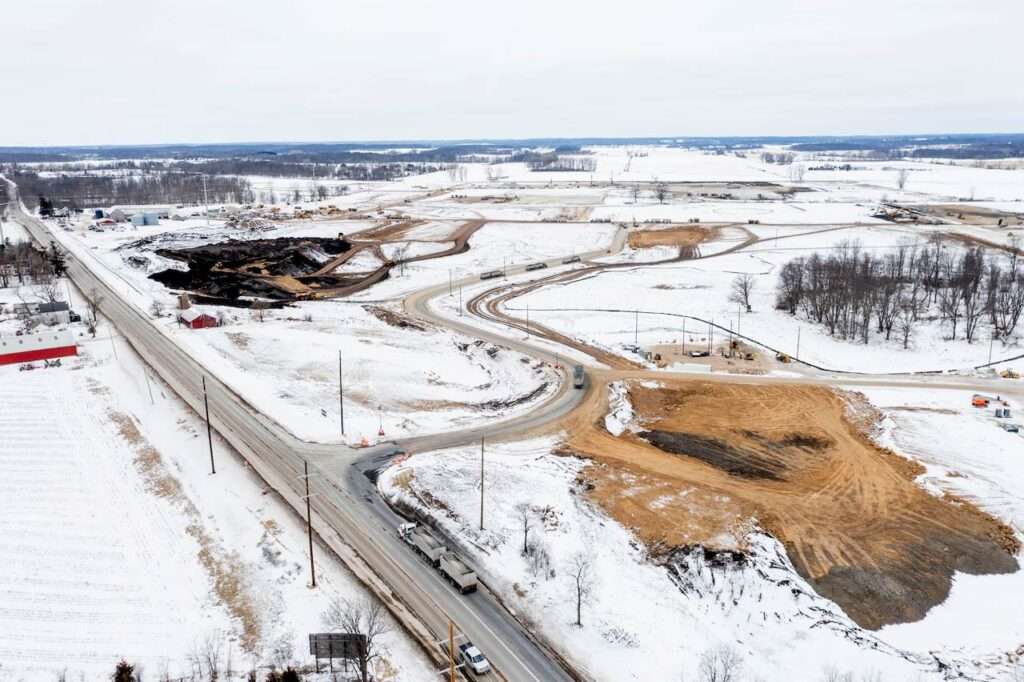
Energy usage and infrastructure capacity are central to this discussion.
- Data centers require reliable, scalable power – an expectation shared across advanced manufacturing, logistics, healthcare, and individual households.
- To support this, data center facilities help to balance energy grid demand between all customers (particularly during peak energy use periods) by adjusting their energy usage loads or leveraging backup systems like generators.
- Many jurisdictions (including Michigan) require data centers to pay energy rates that result in general improvement of our energy grid that all customers will benefit from – not putting that cost onto other ratepayers.
Water stewardship is equally important.
- Modern data center facilities utilize high‑efficiency cooling mechanisms that dramatically reduce water usage compared to earlier generations of data centers.
- These systems can recirculate water or return treated water to municipal systems, helping preserve our natural resources.
Community impact extends beyond utilities and is often most visible in growing the tax base.
- Data centers typically involve large, long‑term capital investments that can enhance local government tax revenue.
- For communities seeking stable and predictable revenue sources, this type of investment can help support essential services and infrastructure over time without disproportionately relying on residential or small‑business taxpayers.
Approaching decisions around potential development intentionally, rather than reactively, helps ensure that today’s choices support our community’s future vibrancy. This is not always a simple of straightforward determination, but one that we must take seriously as our world and economy continue to evolve.
Our team is excited to go deeper on these questions at the Grand Rapids Policy Conference on March 6th. Don’t miss this event to hear from industry experts and learn more about the real-world impacts data centers can have in West Michigan.